Introduction
Artificial Intelligence (AI) and Blockchain are among the most transformative technologies of the 21st century. Each has revolutionised industries in unique ways: AI through intelligent data analysis and automation, Blockchain through decentralised trust and transparency.
Now, as they converge, their integration promises to redefine the digital world from financial systems and logistics to healthcare and education.
Forward-thinking innovators like Aidify Learning and Mobility are already exploring this synergy, creating solutions that combine data intelligence with secure, decentralised infrastructure to drive smarter decision-making and seamless digital transformation.
A Historical Perspective: The Evolution of Two Giants
The Rise of Blockchain
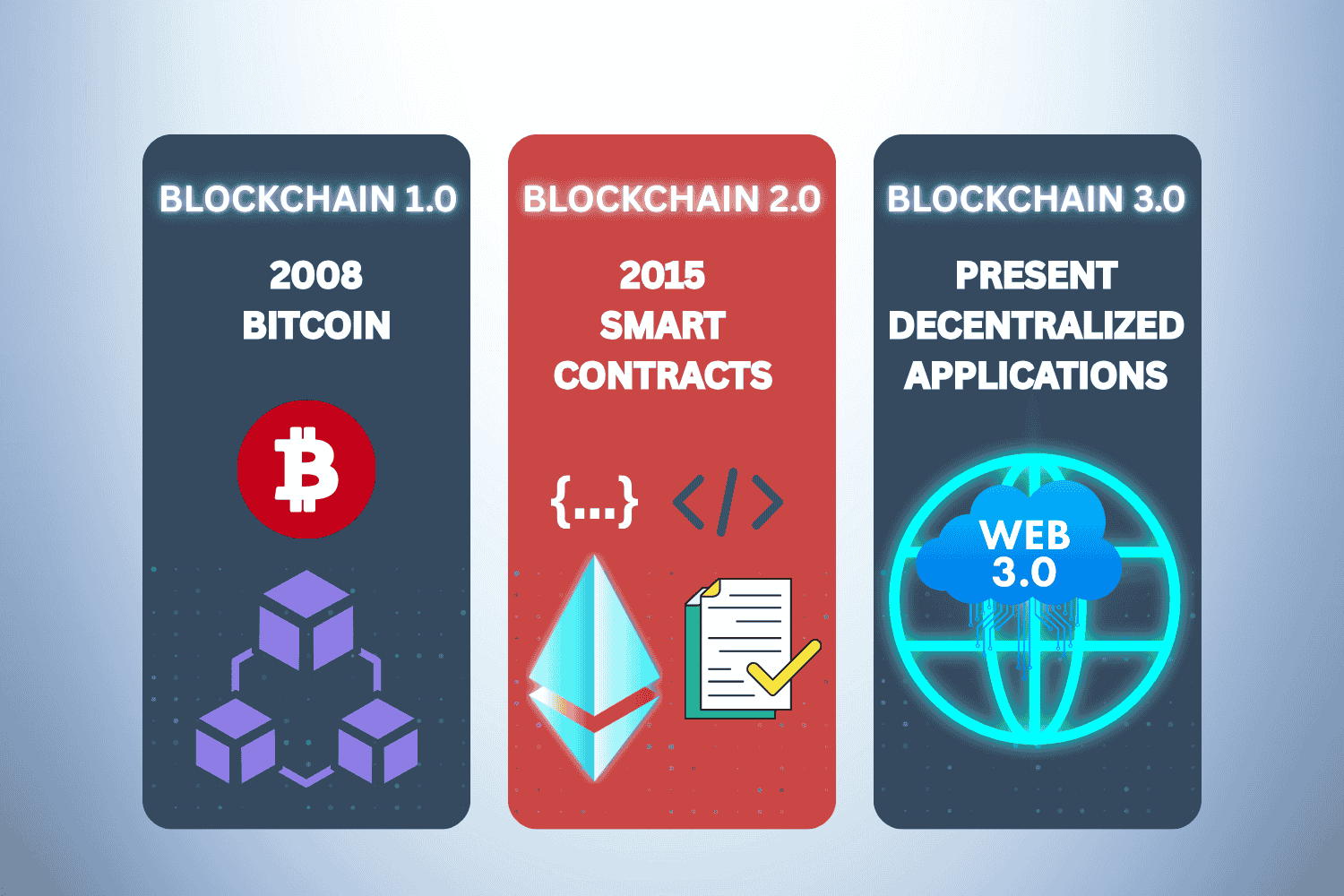
Blockchain first gained attention with the introduction of Bitcoin in 2008. Initially seen as a system for digital currency, its underlying technology, a decentralised ledger, soon proved to have broader applications. Blockchain-enabled secure, transparent record-keeping across industries, eliminating the need for central authorities.
Over the past decade, Blockchain has evolved through multiple generations:
- Blockchain 1.0 (Cryptocurrency Era): Focused on Bitcoin and digital transactions.
- Blockchain 2.0 (Smart Contracts): Ethereum introduced programmable logic for self-executing agreements.
- Blockchain 3.0 (Decentralized Applications): Expansion into business processes, finance, and governance.
The Growth of Artificial Intelligence
AI’s origins trace back to the 1950s, when researchers began building systems that could mimic human reasoning. Over time, advancements in machine learning, deep learning, and natural language processing have allowed AI to analyse vast datasets and make predictions in real time.
Today, AI drives applications in speech recognition, predictive analytics, autonomous systems, and more. Its ability to learn and adapt makes it the perfect complement to Blockchain’s immutable and transparent infrastructure. Quisque pellentesque, nunc a lacinia placerat, lacus nunc condimentum elit, nec scelerisque urna nisl at turpis. Morbi nec accumsan sem. Suspendisse eget elit mauris. Phasellus velit nisi, lobortis quis nisi et, venenatis finibus velit. Integer non nibh eget arcu malesuada ullamcorper
When combined, they form an ecosystem of “intelligent decentralisation”, one where data is both secure and self-evolving.
Why AI and Blockchain Need Each Other
Although both technologies can operate independently, their combination addresses each other’s limitations:
Blockchain Limitations
How AI Solves Them
Data overload and complexity
AI structures and interprets large Blockchain data sets
High energy consumption
AI optimizes resource and energy use
Scalability challenges
AI predicts network loads and balances performance
Limited automation
AI enables dynamic, adaptive smart contracts
Lack of data analysis
AI provides insights from immutable records
Core Areas Where AI is Enhancing Blockchain
1.Smarter Data Management and Predictive Insights
Blockchain’s distributed nature generates massive volumes of transactional data. AI uses advanced analytics and neural networks to make sense of this data.
- Predicts system behaviour and transaction trends.
- Improves data accessibility for business intelligence.
- Detects hidden correlations within decentralised ledgers.
This intelligent data management empowers industries to make real-time, data-backed decisions.
2 Strengthened Cybersecurity and Threat Intelligence
Blockchain ensures data immutability, but AI enhances its defence mechanisms. AI-driven anomaly detection systems identify patterns that suggest hacking attempts, insider threats, or fraudulent transactions.
- Continuous monitoring using machine learning algorithms.
- Predictive alerts for potential data breaches.
- Real-time fraud detection with automated responses.
In fintech, for example, AI-powered Blockchain platforms can instantly flag irregular wallet transactions before they cause damage.
3 Optimization of Energy and Network Efficiency
Blockchain operations, particularly proof-of-work mechanisms, are energy-intensive. AI can optimise resource distribution across nodes and predict when network loads peak, helping to reduce energy costs.
- Predictive workload balancing.
- Smart mining algorithms for efficient computation.
- Sustainable blockchain ecosystems through adaptive power management.
This fusion contributes to green technology initiatives, aligning with global sustainability goals.
4 Itelligent Smart Contracts
Smart contracts are pre-programmed agreements that execute automatically when certain conditions are met. However, traditional smart contracts lack flexibility. AI introduces adaptive intelligence:
- Learns from previous executions and optimises future conditions.
- Enhances legal and financial contract precision.
- Uses natural language processing (NLP) to interpret complex terms.
Imagine a logistics smart contract that adjusts delivery routes based on live weather or traffic updates AI makes this level of responsiveness possible.
5 Advanced Automation and Decision-Making
When AI and Blockchain collaborate, businesses can automate not only data processing but also decision-making.
- Automated compliance audits.
- Self-correcting workflows in finance and supply chain.
- Dynamic optimisation of logistics, inventory, and HR operations.
Platforms like Aidify Learning and Mobility are pioneering such automation, using AI for real-time insights and Blockchain for verifiable, tamper-proof record keeping.
Expanded Applications Across Industries
Healthcare
AI analyses patient data stored on Blockchain for disease prediction, treatment optimisation, and secure data sharing between medical institutions.
Finance and Banking
AI-powered Blockchain networks enhance fraud detection, speed up settlements, and enable transparent audit trails. Predictive models optimise lending and credit scoring.
.
Education
In the education sector, organisations such as Aidify Learning and Mobility use AI and Blockchain to secure student credentials, personalise learning experiences, and ensure transparent certification.
Supply Chain and Logistics
Combining AI’s predictive power with Blockchain’s traceability allows complete end-to-end visibility from raw materials to final delivery.
Government and Public Services
Governments use AI and Blockchain for transparent governance, secure identity systems, and anti-corruption measures.
How We Do It: The Aidify Learning and Mobility Approach
At Aidify Learning and Mobility, the integration of AI and Blockchain isn’t just conceptual; it’s strategic and results-driven.
Here’s how we actively enhance Blockchain through AI:
1.
AI-Driven Data Structuring
Blockchain stores massive, immutable records, but raw data alone isn’t actionable. Aidify uses AI models to clean, classify, and interpret Blockchain data into structured analytics, making insights instantly usable for business and mobility applications.
2.
Predictive Intelligence for Network Optimization
Our AI systems monitor Blockchain transaction flows, predicting network congestion before it occurs. This allows Aidify Learning and Mobility to reallocate resources dynamically, ensuring high-speed performance and minimal latency a vital factor for scaling global operations.
3.
Secure Identity and Access Verification
Through AI-powered verification systems, we ensure that every digital identity on our Blockchain network is validated via facial or behavioural recognition, maintaining both transparency and privacy. This creates trust within decentralised mobility and learning ecosystems.
Adaptive Smart Contract Management
Aidify’s AI continuously analyses the performance of smart contracts, learning from usage data to optimise conditions. For example, in education management systems, contracts automatically update when course structures or user credentials change, eliminating manual updates and errors.
AI-Blockchain Synergy for Analytics
We integrate AI’s deep learning capabilities with Blockchain’s transparency to power real-time dashboards for businesses. These dashboards track operations, transactions, and KPIs with verifiable accuracy.
By embedding intelligence within transparency, Aidify Learning and Mobility is setting a new benchmark for smart, data-secure ecosystems across education, business, and enterprise mobility platforms.
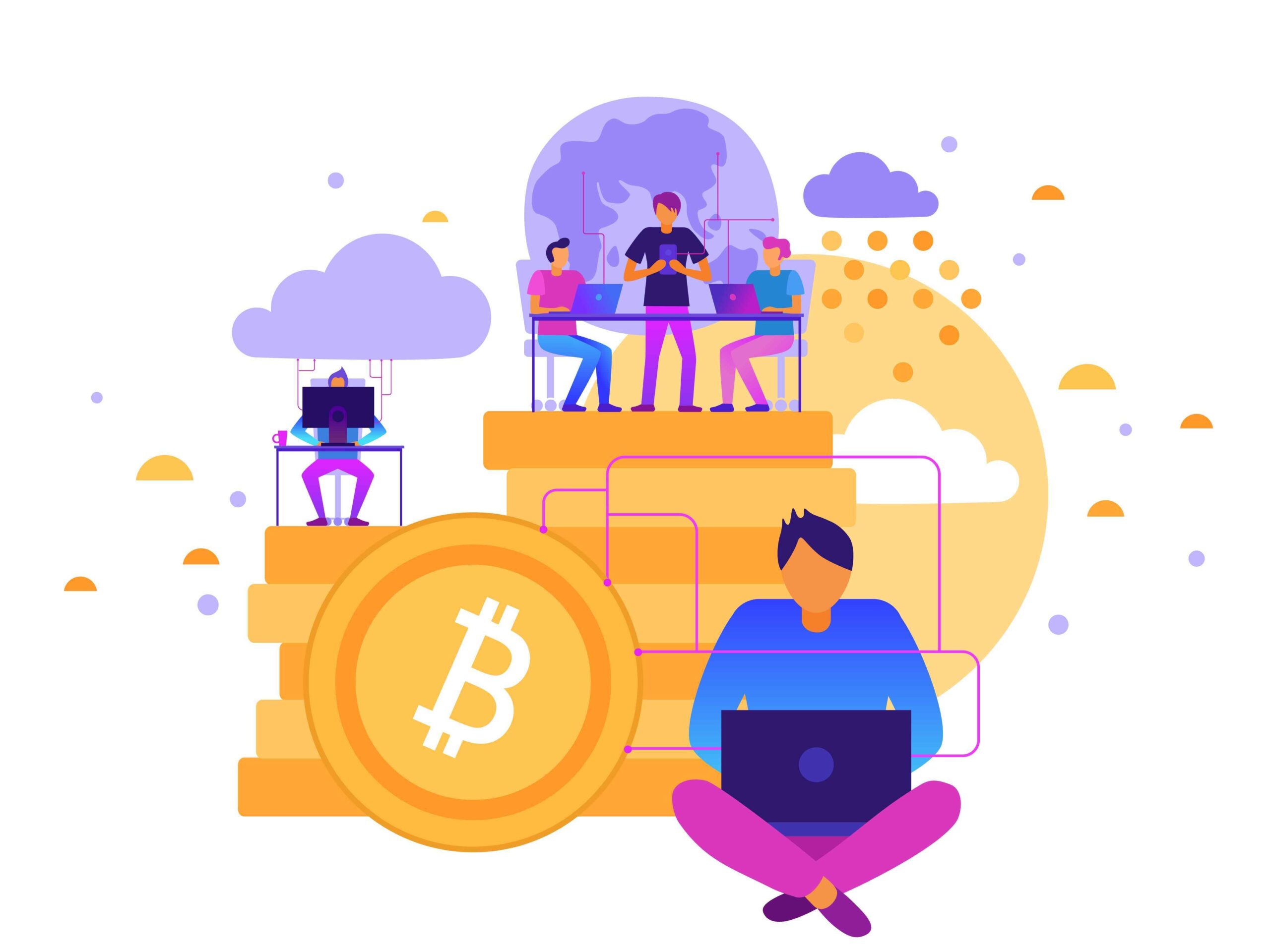
The Future of AI-Blockchain Collaboration
The future will see autonomous, decentralised ecosystems where AI agents make decisions, process data, and interact through Blockchain networks, all without human intervention.
We are heading toward:
- Self-learning DAOs (Decentralized Autonomous Organizations).
- Blockchain-based AI model marketplaces.
- Predictive consensus protocols for faster and greener transactions.
- AI-led sustainability models tracking global carbon credits via Blockchain.
This era of intelligent decentralisation will redefine industries, accelerate innovation, and create new digital economies.
Organisations such as Aidify Learning and Mobility are already at the forefront, exploring real-world applications that merge AI and Blockchain for secure, scalable, and intelligent business solutions.
Conclusion The Path Toward Intelligent Trust
AI and Blockchain are not just complementary; they are converging to create the foundation of a transparent, self-evolving digital ecosystem.
AI empowers Blockchain with cognition and adaptability, while Blockchain strengthens AI with trust, security, and transparency.
Together, they are paving the way for a future where machines not only process information but also make intelligent, ethical, and verifiable decisions.