In an increasingly digital world, a chatbot is often the first point of contact between businesses and customers, shaping the first impression of a brand. However, not all chatbots deliver the same value. A truly good chatbot goes beyond basic automation to offer intelligent, context-aware, and human-like interactions. It understands user intent, maintains conversation flow, and provides accurate, relevant responses instead of scripted answers. By working seamlessly across websites, apps, and messaging platforms, a well-built chatbot ensures a smooth and consistent experience, while also allowing easy handover to human agents when needed. This level of intelligence and continuity builds trust, reduces frustration, and significantly improves overall customer satisfaction.
At the same time, an effective chatbot delivers real business value. It helps companies scale customer support, reduce response times, automate sales and lead qualification, and lower operational costs. Every interaction also generates valuable insights into customer behaviour, preferences, and pain points, enabling better decision-making and continuous improvement. This blog explores these essential elements and highlights how Aidify Learning and Mobility builds chatbots that meet and often exceed these standards. By combining AI-powered intelligence, seamless integration, and a strong focus on measurable outcomes, Aidify’s chatbot solutions help businesses create meaningful conversations, improve efficiency, and drive sustainable growth in a digital-first world.
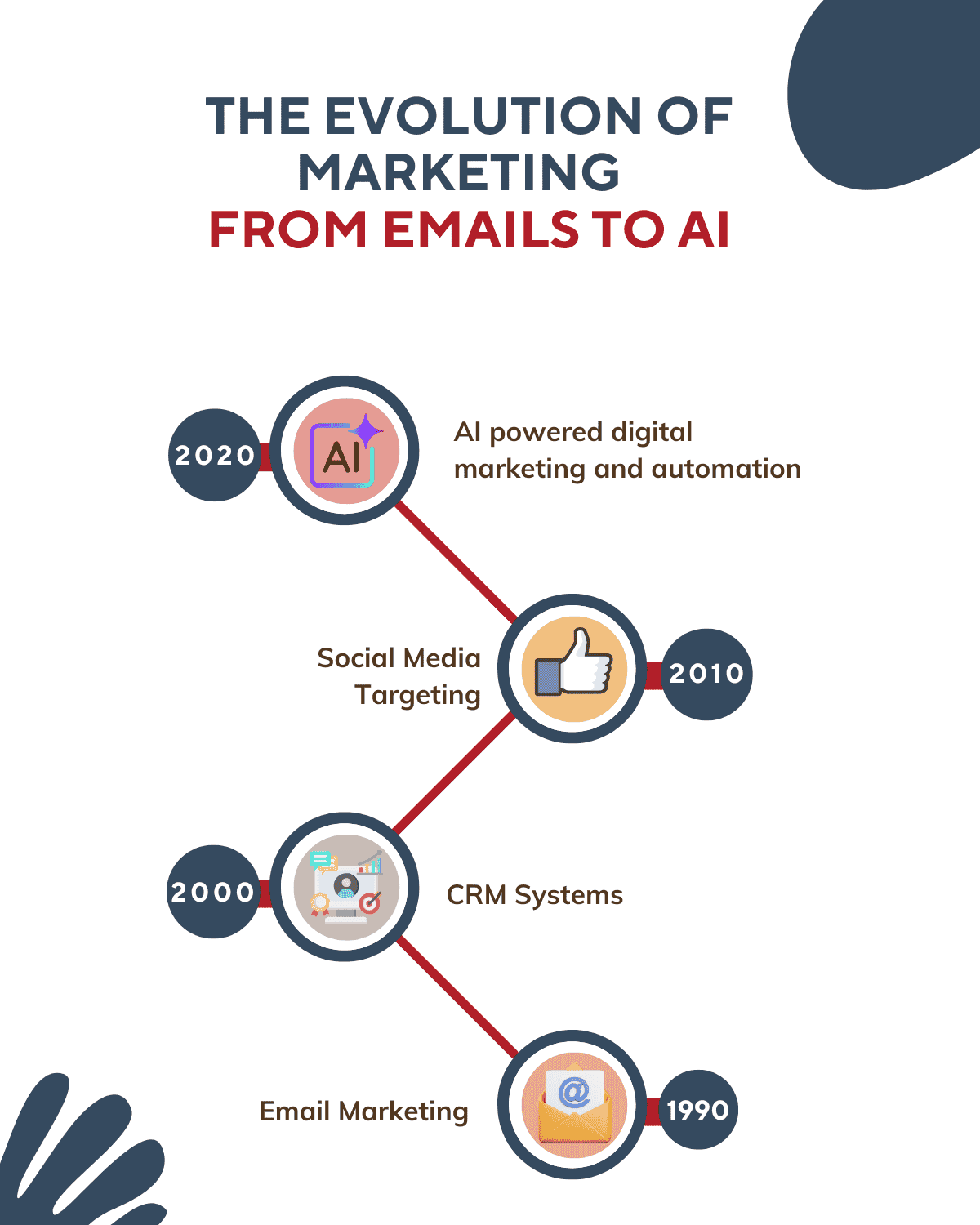
Chatbot Evolution From Rule-Based to AI-Powered Assistants
- Rule-based chatbots:
Early chatbots worked via simple rules and keyword matching. They responded only when users typed exact phrases or commands. Limited, rigid, and often frustrating for users.
2. Keyword-based bots:
Slightly better, they matched words rather than full sentences. But still lacked understanding of intent, tone, or context.
3. NLP-powered chatbots:
With Natural Language Processing (NLP), chatbots began to parse meaning, understand variations in phrasing, and handle more natural conversations.
4. AI & ML-powered chatbots (Modern era):
Today’s chatbots understand context, remember conversation history, adapt over time with machine learning, and integrate with business systems. These are the chatbots that deliver real value.
Now, businesses don’t need to choose between automation and quality. With AI chatbots, you get automated support without sacrificing human-like interaction.
Top Features That Define a Good Chatbot
- Natural Language Understanding (NLU) & Context Awareness
- Personalisation & Memory (User History, Preferences, Behaviour)
Good chatbots don’t treat every user the same. They recall past interactions, shopping or service history, preferences, and deliver responses tailored to that individual, creating a more relevant and engaging experience.
- Omnichannel & Multi-Platform Support
Today’s customers use multiple platforms, including website chat, WhatsApp, social media, and mobile apps. A robust chatbot should offer seamless support across all these channels, maintaining conversation continuity no matter where users reach out.
- Integration with Business Systems (CRM, Database, E-commerce, Support Tools)
What makes a chatbot powerful is its ability to interact with your backend systems. When integrated with CRM, database, order management, and ticketing systems, a chatbot becomes an active assistant able to fetch order status, update tickets, qualify leads, and more.
- Real-Time Responses & High Availability (24/7 Support)
Customers expect instant replies. A good chatbot offers fast response times, handles multiple concurrent chats, and remains available round-the-clock, especially important for global audiences.
- Analytics & Reporting: Insights from Conversations
Beyond answering queries, a good chatbot tracks interactions, extracts meaningful data (common questions, drop-off points, user sentiments), and offers analytics. These insights help businesses refine marketing, support and UX and improve ROI.
- Human Handoff / Escalation for Complex Queries
Not every query fits a script. Good chatbots include graceful fallback to human agents when needed — carrying the full context so users don’t repeat themselves. This balance ensures quality support without limiting automation.
- Privacy, Security & Compliance
Because chatbots often handle sensitive data (personal info, payment data, support history), robust security, encryption, user consent, and compliance with data privacy laws are non-negotiable features.
- Continuous Learning & Improvement (AI / ML Training)
A static bot becomes obsolete fast. A good chatbot uses machine learning to learn from conversations, improve responses over time and correct misunderstandings evolving with real user behaviour.
- Multi-language & Global Reach
For businesses with global or multilingual audiences, the chatbot should support multiple languages, sometimes even switching languages mid-conversation, ensuring accessibility and broader reach.
How Aidify Learning and Mobility Builds a Great Chatbot
At Aidify Learning and Mobility, we don’t believe in “one-size-fits-all” bots. We build custom, intelligent, business-ready chatbots tailored to your operations. Here’s how.
Business Understanding First —
We study your customer flow, support queries, product/service catalogue, and pain points to define what the bot needs to do.
Data-Driven Training —
We feed your historical FAQs, customer data, order history, and support logs to train the bot, ensuring relevance and high accuracy.
Deep Integration —
We connect the chatbot to your CRM, e-commerce platform, support system, and payment gateways so it can fetch real data, update records, and automate workflows.
Multi-Channel Deployment —
Website chat, WhatsApp, social media, support apps. Aidify deploys the bot wherever your customers are.
Smart Conversation Design + AI —
With NLU, context-aware flows, memory, and personalisation, the bot communicates like a real human assistant.
Human Handoff & Safety Nets —
For complex queries or sensitive topics, the bot smartly hands off to human agents while preserving chat history.
Ongoing Learning & Optimisation —
We monitor bot performance, analyse analytics, refine responses and add new knowledge so the bot improves over time.
Security & Compliance —
Data encryption, secure APIs, consent handling to ensure user privacy and trust.
With this approach, Aidify Learning and Mobility builds chatbots that do much more than answer basic questions; they become a full-fledged digital assistant working 24/7 for your business.
Why a Good Chatbot Is a Game-Changer for Businesses
A good chatbot is a game-changer because it transforms how businesses communicate with customers while improving efficiency and reducing costs. It enables companies to offer 24/7 customer support without increasing team size, ensuring that every customer receives instant assistance regardless of time or channel. This constant availability helps businesses scale smoothly while maintaining a high level of service.
By providing fast and consistent responses, a chatbot significantly improves the overall customer experience. Customers no longer face long waiting times, and they receive accurate information every time. This builds trust, increases satisfaction, and strengthens the brand’s professional image.
A well-designed chatbot also supports sales growth by engaging users in real time. It answers pre-sales questions, qualifies leads, and identifies high-intent prospects before passing them to the sales team. This makes the sales process more efficient and helps teams focus on closing deals instead of handling repetitive queries.
From an operational standpoint, chatbots reduce costs and minimize errors by automating repetitive tasks such as FAQs, ticket creation, and follow-ups. This lowers the workload on human teams and ensures that no customer request is missed or delayed.
In addition, chatbots provide valuable insights by capturing data from every interaction. Businesses can analyze what customers ask most often, where they face difficulties, and what drives conversions. These insights support better decision-making and continuous improvement.
Chatbots also make it easier to serve a global and multilingual audience. With support for multiple languages, businesses can expand into new markets and communicate effectively without hiring additional staff.
Most importantly, a good chatbot improves over time. Powered by AI, it learns from conversations and becomes smarter and more accurate without increasing operational costs. This long-term adaptability makes a chatbot a powerful, future-ready tool for business growth.
Conclusion
A “good chatbot” in 2025 is far more than a simple FAQ bot; it’s an intelligent, integrated, adaptive assistant that understands customers, supports workflows, learns over time, and adds real value to business operations.
If you’re looking for a chatbot solution that brings all these features: contextual understanding, personalisation, multi-channel support, backend integrations, analytics, security, and continuous optimisation, Aidify Learning and Mobility is built for exactly that.
Build smarter. Support better. Scale faster.