Introduction
In today’s competitive digital world, a website is more than just an online platform; it is the face of your business. Your website creates the first impression of your brand, builds trust, engages visitors, and influences buying decisions. No matter how good your products or services are, a poor website UI/UX can drive potential customers away.
Modern businesses need websites that are visually appealing, easy to use, mobile-friendly, and optimised for conversions. At Aidify, we focus on building smart digital experiences that help businesses grow by driving better user engagement and creating seamless customer journeys.
What is UI/UX Design?
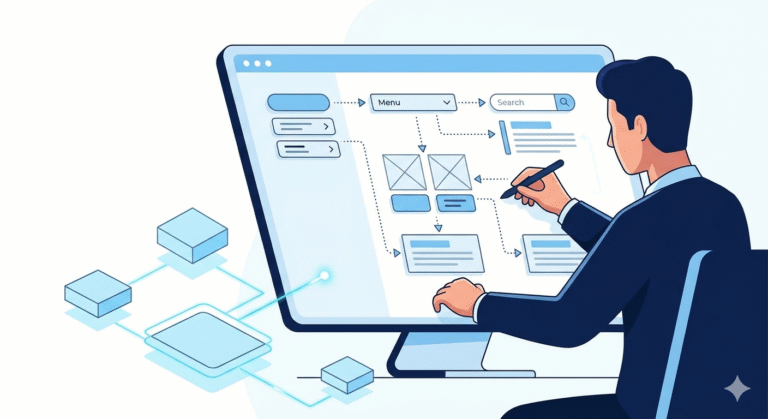
Before understanding why UI/UX design is important for a business website, it is important to first understand what UI and UX mean. Although these two terms are often used together, they are not the same. Both play different roles in creating a successful website experience.
UI and UX work together to make a website visually attractive, easy to use, and comfortable for visitors. A website with good UI but poor UX may look beautiful but feel confusing. Similarly, a website with good UX but weak UI may work properly but fail to create a strong visual impression.
That is why businesses need both UI and UX to create a complete and effective website experience.
Key Features of Why UI/UX Design Matters for Business Websites
Professional Design
Mobile-Friendly Experience
Better Performance & SEO
Higher Conversions
Smart Personalization
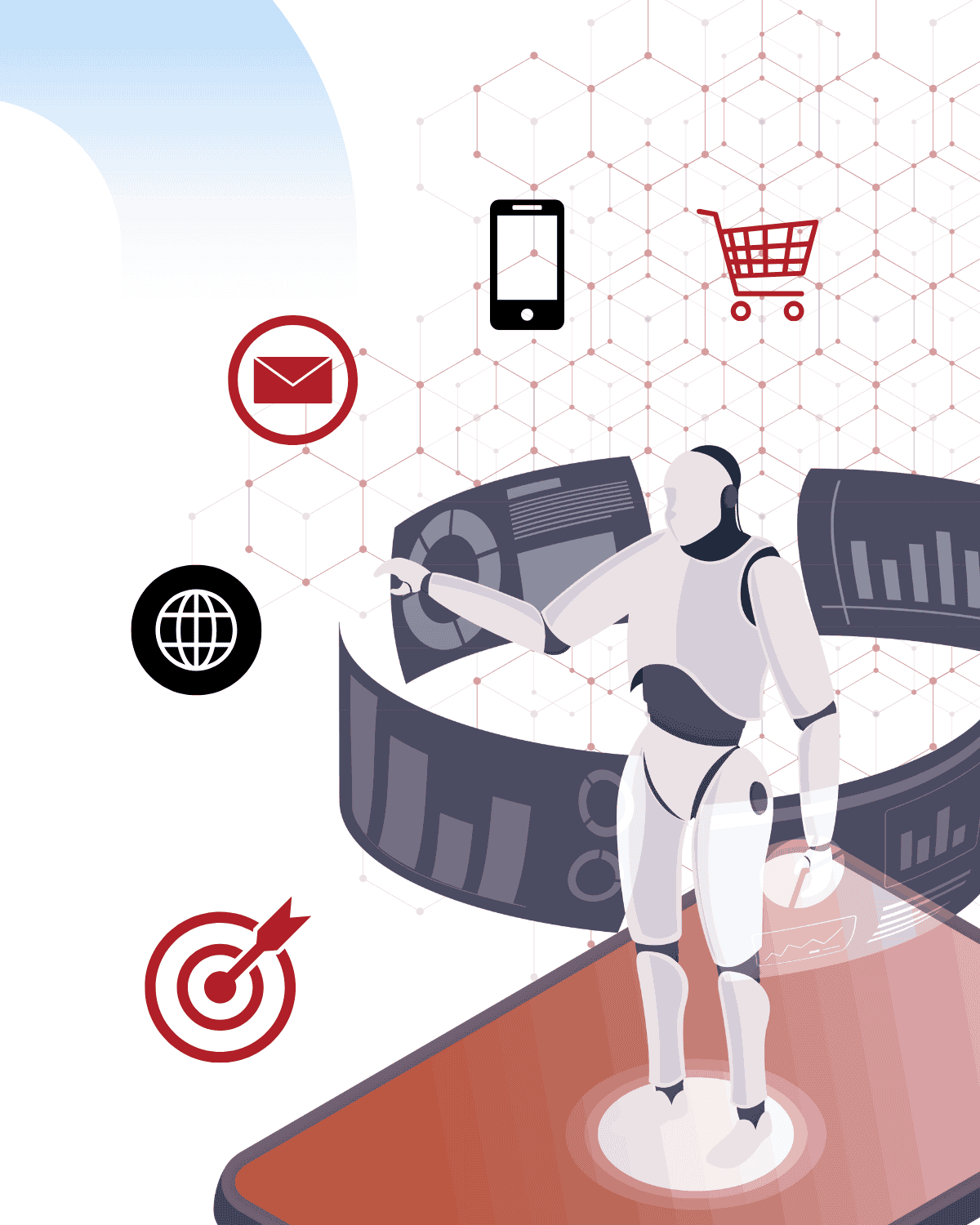
AI-based UX creates more engaging user experiences.
Why UI/UX Design is Important for Business Websites
In today’s digital world, your website is often the first impression customers have of your business. A well-designed website not only looks professional but also helps users navigate easily, find information quickly, and interact smoothly with your brand.
Good UI (User Interface) design focuses on the website’s visual appearance, while UX (User Experience) design focuses on making the website simple, user-friendly, and comfortable to use. Together, they create a better experience for visitors and help businesses grow online.
1. Creates a Strong First Impression
A business website creates the first impression of your brand in the digital world. Visitors decide within seconds whether they trust your website or not. A clean website design, professional UI design, modern layout, and attractive visuals help businesses build credibility instantly. Good website UI/UX design improves brand image and encourages users to explore more services and pages.
2. Improves User Experience and Customer Engagement
Good UX design helps users navigate websites easily and enjoy a smooth browsing experience. Features like fast loading speed, responsive web design, easy navigation, readable content, and mobile-friendly layouts improve customer engagement. When users have a positive website experience, they spend more time interacting with your business online.
3. Builds Brand Trust and Online Credibility
Professional website design helps businesses appear more trustworthy and reliable. Consistent branding, organised layouts, secure browsing, and clear business information improve customer confidence. Strong UI/UX design creates better customer experiences and helps businesses build long-term trust with online visitors.
4. Increases Website and Conversational Marketing
The main purpose of a business website is to generate leads, inquiries, and sales. Good UI/UX design helps users complete actions easily through clear Call-to-Action buttons, simple contact forms, organised page structure, and smooth user journeys. Better website usability and customer-focused design directly improve conversion rates and lead generation performance.
5. Improves Mobile Experience and SEO Performance
Modern users mostly browse websites through smartphones and tablets. Responsive website design ensures your website works smoothly across all devices. Mobile-friendly UX design, fast website speed, easy navigation, and structured content also improve SEO performance. Search engines prefer websites that provide better user experiences, helping businesses improve online visibility and search rankings.
How to Design High Traffic Generating UI
Designing a high-traffic generating UI means creating a website that attracts users, keeps them engaged, and encourages them to explore more pages. A strong UI is not just about looks it is about user psychology, speed, and clarity. Websites that generate high traffic usually focus on simple layouts, fast performance, mobile-first design, and clear navigation.
To increase trafficTraffic-Generating, traffic-generating businesses should focus on user-friendly layouts, optimised page structure, engaging visuals, and SEO-friendly design elements. A well-designed UI improves user retention, reduces bounce rate, and encourages repeat visits, which naturally increases organic traffic over time.
Points Taken into Consideration While Designing a website
While designing a business website, several important factors are considered to ensure a smooth user experience and strong performance. The design process focuses on understanding the target audience, business goals, and user behaviour patterns.
Key considerations include website loading speed, mobile responsiveness, clear navigation structure, content readability, and conversion-focused layout planning. Designers also ensure that branding, colour psychology, and visual hierarchy are properly aligned with the business identity to create a consistent and professional digital experience.
Do’s and Don’ts of Website Design
A successful website follows certain best practices to deliver a smooth user experience.
Do’s include using clean layouts, fast-loading pages, mobile-friendly design, clear CTA buttons, and simple navigation. These elements help improve engagement, conversions, and SEO performance.
Don’ts include cluttered layouts, slow performance, excessive animations, confusing navigation, and poor mobile optimisation. These mistakes often lead to high bounce rates and low user engagement, negatively affecting business growth.
Customisation Tips According to Business Type and Colour Palette
Every business has a unique identity, and website design should reflect that. Customization plays a key role in creating a strong brand presence online. For example, corporate websites often use professional and minimal colour schemes, while creative or fashion brands may use bold and vibrant designs.
Colour psychology is also important in UI/UX design. Blue often represents trust, green represents growth, and red is used for attention or urgency. Choosing the right colour palette helps improve user perception and emotional connection with the brand.
A customised UI/UX design ensures that the website not only looks visually appealing but also aligns perfectly with business goals and target audience expectations.
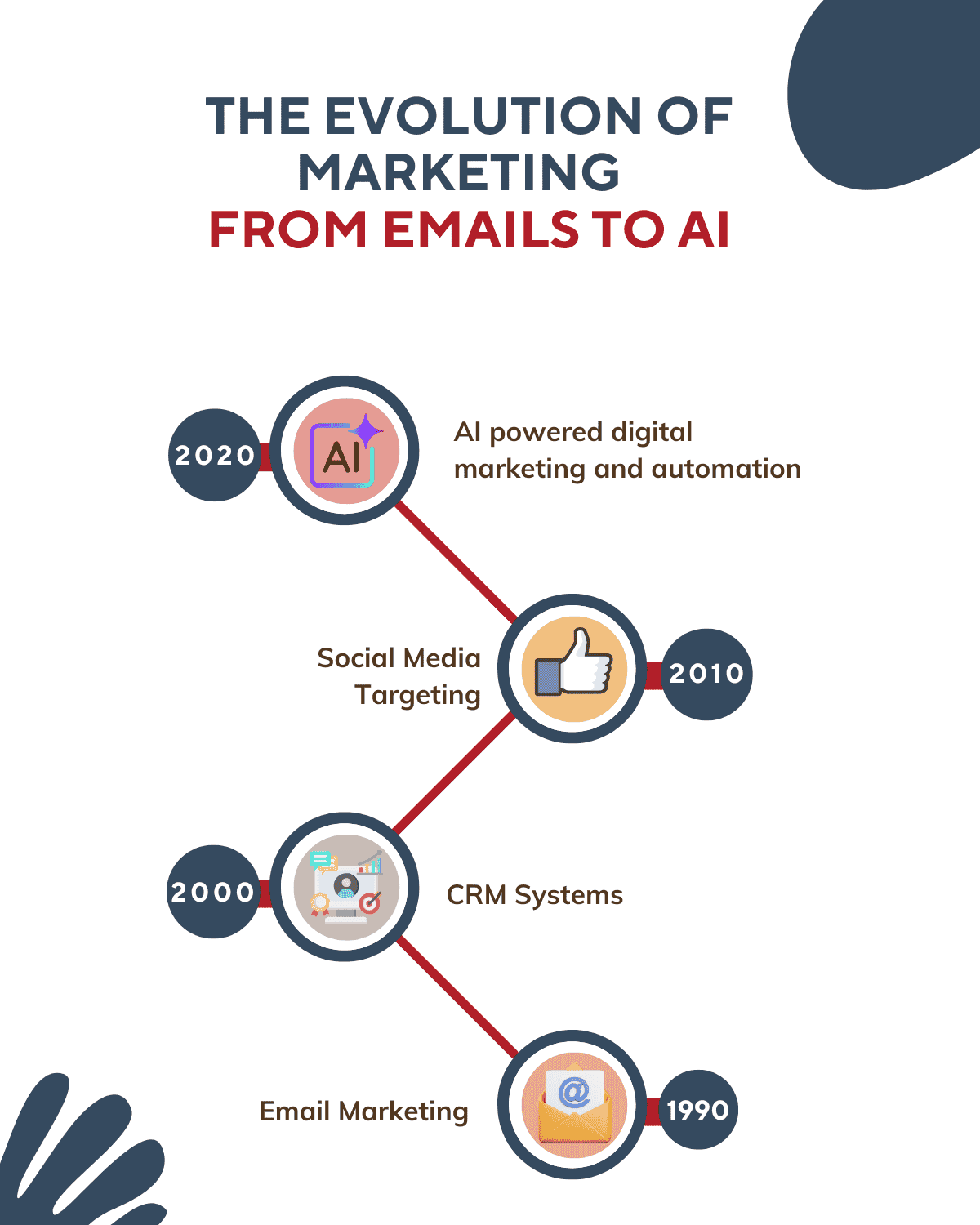
How We Improve UI/UX Design for Business Websites with AI at Aidify
At Aidify, we believe a successful business website should not only look attractive but also deliver a smooth, smart, and engaging user experience. Modern customers expect websites to be fast, responsive, personalised, and easy to use. That is why we
Combine AI-powered solutions, modern UI design, and smart UX strategies to create websites that help businesses grow online.
Our approach focuses on improving website performance, customer engagement, lead generation, and conversion rates through intelligent website experiences.
1.
AI-Based User Experience Optimisation
At Aidify, we use AI-driven UX strategies to understand user behaviour and improve website interactions. AI helps businesses create smarter customer journeys by analysing how visitors browse, click, and interact with website content.
Example: AI helps identify issues such as slow loading times, confusing layouts, or weak CTA placement when users leave a page quickly. We then optimise the website experience to improve engagement and conversions.
2.
Smart Responsive Website Design
Today, most users browse websites on mobile devices. At Aidify, we create mobile-friendly responsive websites that work smoothly across:
Smartphones, Tablets, Laptops, and Desktop devices
Our responsive UI/UX design ensures users get a seamless browsing experience on every screen size.
Example: An e-commerce website designed by Aidify automatically adjusts product layouts, images, and navigation for mobile users, making online shopping easier and faster.
3.
AI-Powered Personalized User Journeys
Personalisation is one of the biggest trends in modern website UX design. Aidify uses AI personalisation to create customer-focused experiences based on user behaviour and interests.
Example: For example, if a visitor frequently explores digital marketing services, AI can automatically show related services, relevant content, and smart CTA suggestions to create a more personalised and engaging website experience
4.
Conversion-Focused UI/UX Design
At Aidify, we design conversion-focused websites where every element is carefully planned to improve user experience and encourage action. From CTA button placement and website navigation to form design and customer flow, we create smooth and user-friendly journeys that help increase engagement and conversions.
Example: For service-based businesses, we place clear CTA buttons like:
- Get Started
- Book a Demo
- Contact Us
in highly visible areas to improve inquiry rates and customer interaction.
5.
SEO-Friendly Website UI/UX Design
We create SEO-friendly websites with fast loading speed, responsive design, easy navigation, and optimised content flow to improve user experience and search engine rankings.
Example: A business website with a clean UI design, fast performance, and better readability helps users stay longer on the website, improving both engagement and search rankings.
Important UI/UX Elements Every Business Website Should Have
Clean Layout Design
A clean website layout helps users focus on important information without distractions. Avoid overcrowded pages, unnecessary elements, and confusing designs. Simple and organised layouts improve readability, navigation, and overall user experience.
Fast Website Speed
Website speed plays a major role in customer experience. Users expect pages to load quickly, especially on mobile devices. Slow-loading websites increase bounce rates and negatively affect SEO performance. Optimised images, a lightweight design, and better performance help improve website speed.
Responsive Design
Modern websites should work smoothly across all devices and screen sizes. Responsive design automatically adjusts layouts, images, and content for smartphones, tablets, laptops, and desktops. A mobile-friendly website improves usability, engagement, and search engine rankings.
Strong Visual Hierarchy
Visual hierarchy helps users understand which content is most important. Proper use of headings, colours, spacing, and button placement guides visitors naturally through the website. Clear visual structure improves readability and user interaction.
Easy-to-Read Content
Website content should be simple, clear, and easy to scan. Short paragraphs, proper headings, and readable fonts help users quickly understand information. User-friendly content improves engagement and keeps visitors interested.
Attractive CTA Buttons
Call-to-Action buttons help guide users toward actions like contacting the business, booking services, or making purchases. CTA buttons should be clearly visible, visually attractive, and placed in important sections to improve conversions.
Benefits of Investing in Good UI/UX Design
Investing in good UI/UX design helps businesses create better customer experiences and improve overall website performance. A user-friendly website increases customer satisfaction, improves engagement, and encourages visitors to spend more time exploring services and content.
Good UI/UX design also helps improve conversion rates, SEO performance, and online visibility through responsive design, fast loading speed, and smooth navigation. A modern and professional website strengthens brand identity, builds customer trust, and supports long-term business growth.
Final Thoughts
UI/UX design plays a major role in the success of every business website. A visually attractive and user-friendly website improves customer trust, engagement, and conversions while strengthening your online presence.
Modern users expect fast, simple, and personalised digital experiences. Businesses that focus on UI/UX design stay ahead of the competition and build stronger customer relationships.
If you want to create a modern, responsive, and conversion-focused business website, visit the Aidify Official Website and discover smart digital solutions designed to help your business grow.