Introduction
In the world of modern business, sales no longer depend solely on intuition or persuasion it now thrives on intelligence. Today, every interaction, lead, and deal is powered by data. But data alone doesn’t close deals; smart systems do. That’s where AI agents integrated with CRM systems are transforming how sales teams
operate, strategise, and succeed.
This integration is more than a technological upgrade; it’s a fundamental shift in the way organisations sell, engage, and build customer relationships. It combines the analytical power of artificial intelligence with the organisational structure of Customer Relationship Management (CRM) tools to create an ecosystem where every sales action is informed, personalised, and predictive.
From Manual CRMs to AI-Driven Sales Intelligence
In the early 2000s, CRMs like Salesforce and Zoho served as digital filing systems, helping businesses organise customer data and schedule follow-ups, but they relied heavily on manual input. By the 2010s, automation features like reminders and email triggers reduced routine work, yet decision-making still depended on humans and insights were often underutilised. The AI revolution introduced predictive analytics, sentiment analysis, and smart recommendations, but many systems lacked true autonomy. Today, AI agents integrated with CRMs act as intelligent, proactive sales partners, analysing data, engaging with customers, scheduling meetings, and predicting the next best action for sales teams.
Why This Integration is a Game Changer for Sales Teams
The integration of AI agents for sales teams with CRM systems is reshaping how sales organizations operate, bringing immense benefits:
Efficiency and Time Savings
Sales representatives spend less time entering data and more time engaging with leads. AI handles administrative work, freeing human talent for strategy and relationships.
Smarter Lead Prioritization:
AI can identify high-value prospects by analysing behavioural patterns and historical data. It predicts which leads are most likely to convert, allowing teams to focus their energy where it matters.
AI-Driven Personalization
AI agents deliver tailored recommendations from personalised emails to real-time product suggestions, making customers feel understood and valued.
Real-Time Insights
Integrated dashboards provide live updates on customer activity, deal progress, and pipeline health. Decision-making becomes immediate and data-driven.
Accurate Forecasting
Leaders gain AI-driven projections about sales performance, helping them plan resources and targets with precision.
24/7 Customer Interaction
AI agents can communicate with clients round the clock through chatbots or virtual assistants, ensuring no opportunity is missed due to time zones or human limitations
How AI Agents and CRM Integration Works
When AI agents integrate with a CRM system, they form a unified intelligence network. Here’s how the process works at a deeper level:
1.
Data Ingestion and Synchronization
The AI agent continuously gathers and syncs data from multiple sources emails, chats, calls, website interactions, and social media. This gives the CRM a holistic view of every customer.
2.
Natural Language Understanding (NLU)
Using NLU, the AI agent interprets conversations, understanding tone, sentiment, and intent. For instance, if a client’s email sounds hesitant, the agent can alert the salesperson to respond differently or provide a better offer.
3.
Predictive Analytics and Forecasting
AI agents use machine learning models to predict outcomes, from identifying which leads are most likely to close to forecasting sales revenue. The system learns from past successes and failures, becoming smarter over time.
4.
Automation and Action
Instead of waiting for instructions, the AI agent acts by scheduling meetings, sending follow-up messages, updating lead status, or even suggesting upsell opportunities automatically.
5.
Continuous Learning Loop
Every outcome feeds back into the system, improving the AI’s accuracy. Over time, it becomes a self-optimising sales assistant.
Cross-Department Intelligence and Collaboration
AI-powered CRM integration connects sales, marketing, customer service, and finance, creating a unified business ecosystem. Marketing campaigns feed high-quality leads into CRM pipelines, customer service insights inform sales strategies, and finance uses AI forecasts to optimize budgets. This shared intelligence breaks down silos, aligns departments, and ensures real-time collaboration. Aidify Learning and Mobility enables businesses to build these integrated, intelligent ecosystems that drive modern AI strategies.
Data Accuracy and Smart Automation
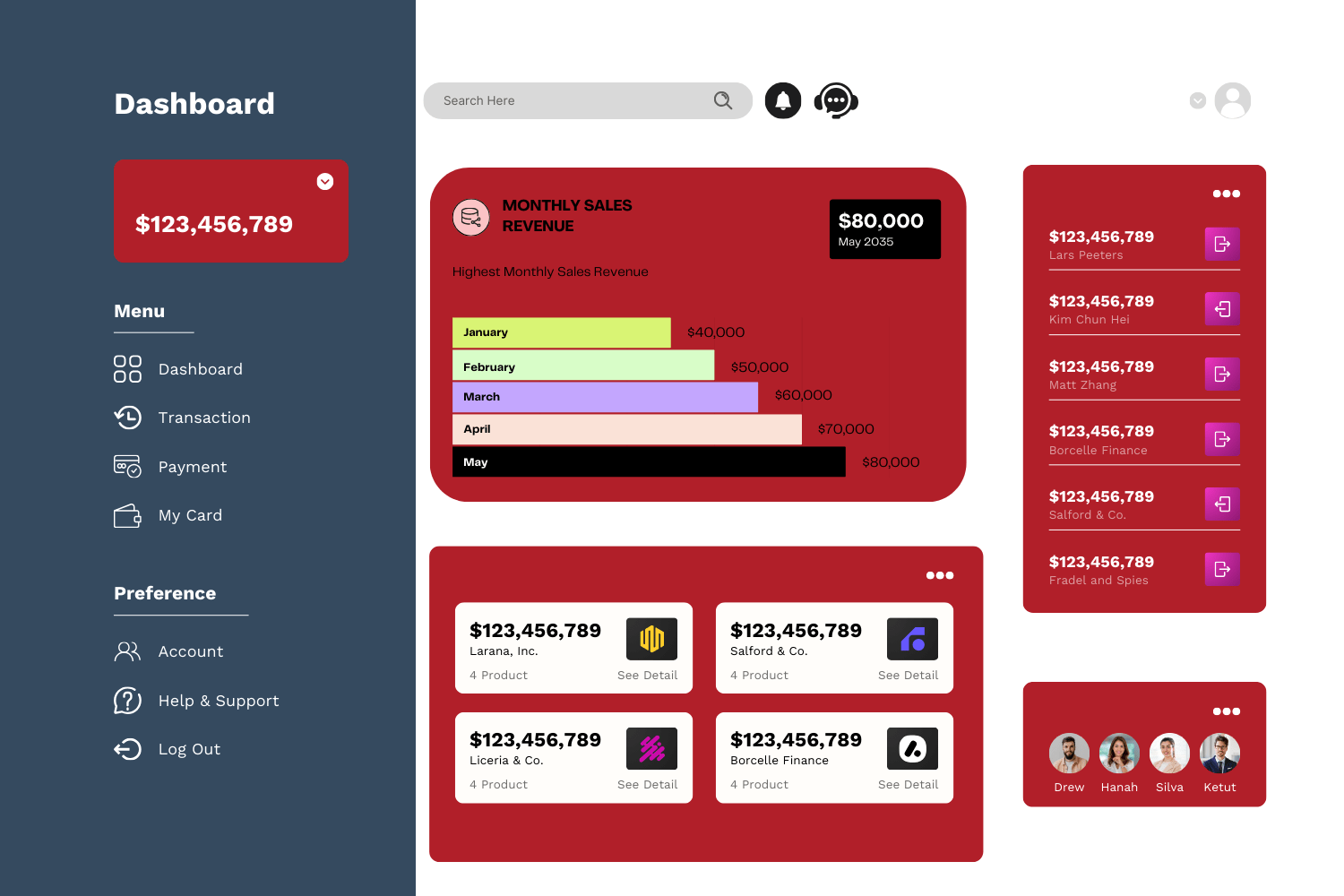
Data quality has always been the Achilles heel of traditional CRMs. Inconsistent or incomplete data leads to flawed insights. AI addresses this by automatically cleaning, categorising, and validating data. It detects duplicate entries, fills missing fields, and ensures uniformity across platforms. With accurate data, every decision from lead prioritisation to revenue forecasting becomes more reliable.
Furthermore, automation extends beyond simple reminders. AI agents for sales teams interpret context to act intelligently:
- If a deal has been idle too long, it prompts follow-up.
- If a client expresses dissatisfaction, it flags the issue for retention.
- If a trend in lost deals emerges, it identifies the pattern.
Organisations like Aidify Learning and Mobility leverage such automation to enhance accuracy, consistency, and decision-making efficiency across their client CRMs.
Ethical AI and Data Security in CRM
With great intelligence comes greater responsibility. AI-enhanced CRMs must handle sensitive customer data ethically and securely. Modern systems now come equipped with compliance mechanisms ensuring adherence to GDPR, CCPA, and other international privacy regulations. AI can automatically anonymise sensitive information, monitor unusual access patterns, and flag potential security threats in real time.
For businesses, this isn’t just about legal compliance; it’s about building trust. When customers know their data is protected, they are more willing to engage and share information. Aidify Learning and Mobility emphasises secure AI deployment as a foundation for ethical, privacy-compliant CRM operations.
Emotional and Conversational Intelligence
AI in CRM is evolving beyond logic and analytics into emotional understanding. Through sentiment analysis and voice recognition, AI agents for sales teams can assess how customers feel during interactions. If frustration or hesitation is detected, the AI adjusts messaging tone or alerts the sales rep to handle the situation delicately. Voice-based CRM commands are also transforming workflows. Reps can now say, “Show me all pending deals above $10,000,” and get instant results. This blend of emotion-aware and conversational intelligence makes CRMs not just smarter but more human.
How Business Leaders Can Implement AI + CRM Integration
Implementing AI-driven CRM integration requires both strategy and structure. Business leaders should begin by defining clear goals, whether it’s improving lead conversion, shortening the sales cycle, or enhancing customer experience.
1. Assess Your Current CRM System
Identify if your CRM supports AI plugins or has built-in AI capabilities. Platforms like Salesforce Einstein, HubSpot AI, and Zoho Zia already have strong AI integrations.
2. Clean and Structure Your Data
AI thrives on quality data. Ensure customer records are accurate, complete, and unified across systems.
3. Define Use Cases
Determine where AI can make the most impact: lead scoring, pipeline forecasting, or automated follow-ups.
4. Select the Right AI Agent Platform
Choose an AI solution that can integrate seamlessly with your CRM. It should support APIs, automation workflows, and natural language understanding.
5. Train and Educate Your Sales Team
The best technology fails without human adoption. Train sales teams to interpret AI insights and act upon recommendations.
6. Monitor, Measure, and Optimize
Continuously review AI performance, check the accuracy of predictions, quality of leads, and overall conversion improvements.
How Aidify Transforms Sales Teams with AI Agents + CRM Integration
At Aidify Learning and Mobility, we specialise in helping organisations harness the full potential of AI agents integrated with CRM systems, turning traditional sales operations into intelligent, self-learning ecosystems. Our focus is on blending automation, personalisation, and predictive analytics into a seamless sales workflow, empowering teams to make faster, smarter, and data-driven decisions.
1.
Intelligent AI Agent Deployment
Aidify Learning and Mobility designs and deploys custom AI agents that work hand-in-hand with existing CRM platforms like Salesforce, Zoho, and HubSpot. These AI agents are programmed to perform smart tasks such as lead scoring, behavioural analysis, and automated follow-ups.
Example: A client in the education sector used our AI-driven CRM integration to automate their inquiry process. The AI agent identified high-intent leads, scheduled demos automatically, and sent follow-up messages, increasing conversions by 42%.
2.
Unified Data and Contextual Insights
We connect CRMs with other business tools, email, chat, website analytics, and customer support systems to build a centralised data ecosystem. Our AI layer continuously synchronises and interprets this data, delivering real-time insights directly to sales dashboards.
Example: For a logistics company, Aidify Learning and Mobility created an AI-powered insight module that analysed lead activity and suggested the “next best action” for sales reps, boosting engagement rates by 30%.
3.
Predictive and Prescriptive Sales Intelligence
Aidify Learning and Mobility integrates machine learning models into CRMs to predict future outcomes, from identifying hot leads to forecasting deal closures. We also use prescriptive AI that recommends actions, offers, or communication tones based on customer behaviour and history. This turns every sales rep into a strategic decision-maker, guided by data-backed recommendations rather than guesswork.
4.
Workflow Automation and Real-Time Engagement
Our AI + CRM integrations eliminate manual effort by automating repetitive sales tasks from data entry to meeting scheduling. AI agents also enable 24/7 lead engagement, instantly responding to inquiries or suggesting follow-up actions.
Example: Aidify Learning and Mobility implemented an AI chatbot within a client’s CRM, enabling real-time responses to customer queries and freeing the sales team to focus on high-value deals.
5.
Continuous Learning and Optimization
We don’t stop at deployment; our systems learn continuously. Aidify Learning and Mobility uses feedback loops within CRMs to monitor agent performance, refine algorithms, and optimise recommendations over time. This ensures the AI agents evolve with business goals, market shifts, and customer behaviour, keeping your sales ecosystem adaptive and competitive. By combining AI intelligence with CRM structure, Aidify Learning and Mobility helps organisations move beyond automation to true AI-powered sales enablement where every action is data-informed, every lead is prioritised intelligently, and every customer interaction feels personal and timely.
The Future of AI + CRM Integration
We are entering an era where AI will no longer just assist sales; it will collaborate. Future CRM systems will feature autonomous AI agents for sales teams that understand not only data but also context and emotion.
Imagine a CRM that not only logs a customer call but also:
- Detects their sentiment during the conversation.
- Suggests talking points for the next meeting.
- Predicts when they are ready to renew or upgrade.
- Adjusts pricing dynamically based on behavior and market trends.
In the near future, we’ll see:
- Voice-enabled AI sales assistants embedded within CRMs.
- Emotion-aware AI agents that interpret tone and intent.
- Predictive revenue models that adapt in real time.
- Unified business intelligence where marketing, sales, and support data connect seamlessly.
The ultimate goal: a CRM that thinks, learns, and acts like a true sales strategist, making AI a core pillar of every successful AI strategy for business.
Conclusion
The fusion of AI agents and CRM integration marks a turning point in business innovation. What began as simple data management has now evolved into an intelligent ecosystem that anticipates, advises, and automates. For sales teams, this means less guesswork and more precision. For leaders, it means better forecasting and stronger customer relationships. And for customers, it means personalised experiences that feel human-powered by AI. As businesses continue to adopt digital-first models, those who embrace AI-powered CRM integration will lead the market not just by selling smarter, but by building deeper, data-driven connections.